
Everest region trekking is one of the most iconic and rewarding adventures in the world. Located in northeastern Nepal, this region is home to Mount Everest (8,848 meters) and offers breathtaking Himalayan landscapes, Sherpa culture, and world-class trekking routes.
From the bustling Sherpa town of Namche Bazaar to the serene villages at high altitudes, Everest region trekking combines natural beauty with rich cultural experiences. Whether you are a beginner looking for a moderate trek or an experienced mountaineer aiming for challenging high-altitude routes, the Everest region has something for everyone.
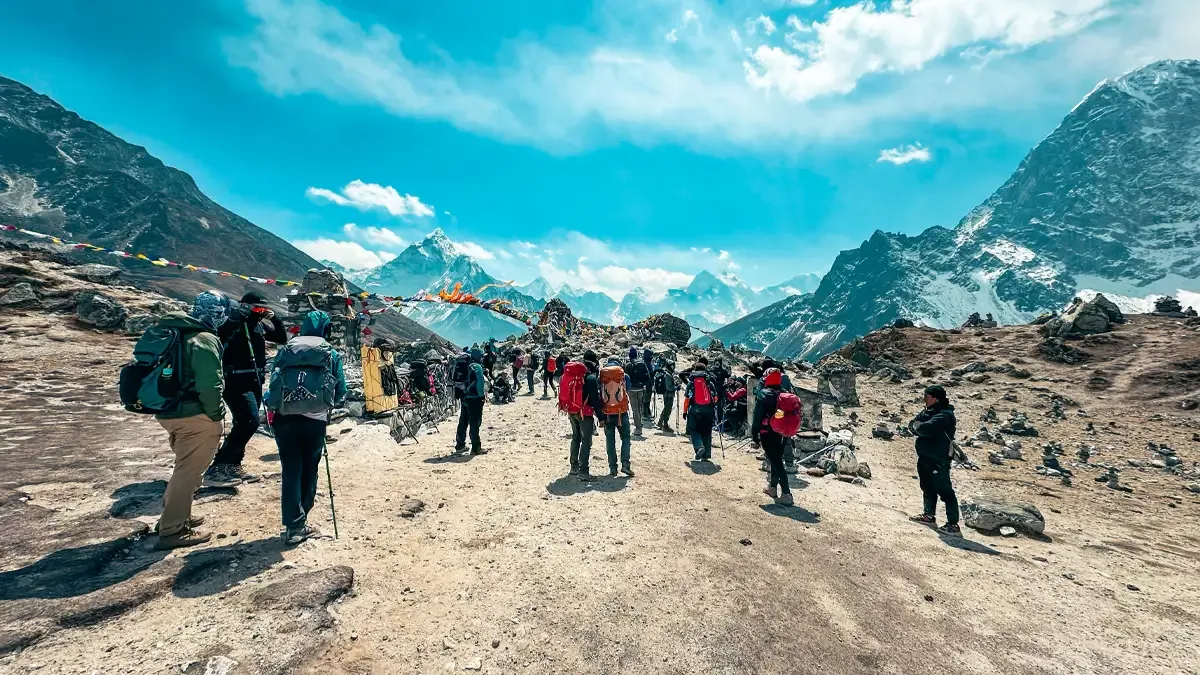
Why Choose Everest Region Trekking?
The Everest region is famous for its:
-
Stunning Mountain Views: Everest, Lhotse, Nuptse, Ama Dablam, and more
-
Rich Sherpa Culture: Monasteries, festivals, and traditional villages
-
Diverse Trekking Options: From short treks to multi-week high-altitude expeditions
-
Adventure and Challenge: Experience high-altitude trekking and Himalayan wilderness
Trekking in this region offers a once-in-a-lifetime opportunity to witness some of the world’s most majestic mountains.
Key Highlights of Everest Region Trekking
1. Sagarmatha National Park
A UNESCO World Heritage Site, Sagarmatha National Park covers much of the Everest region.
-
Stunning landscapes with glaciers, valleys, and peaks
-
Rich biodiversity, including red pandas, Himalayan tahr, and snow leopards
-
Trekking routes that pass through traditional Sherpa villages
2. Namche Bazaar
Known as the gateway to Everest, Namche Bazaar is the main hub for trekkers.
-
Shops, cafes, and teahouses
-
Cultural center of the Khumbu region
-
Acclimatization stop for high-altitude trekking
3. Tengboche Monastery
Tengboche Monastery is one of the most important spiritual sites in the region.
-
Buddhist monastery with stunning views of Ama Dablam
-
Cultural and spiritual experience
-
Annual Mani Rimdu festival attracts visitors from all over
4. Everest Base Camp
Reaching Everest Base Camp (EBC) is the ultimate goal for many trekkers.
-
Close view of the world’s highest peak
-
Opportunity to meet climbers preparing for Everest summit
-
Stunning sunrise and sunset views from Kala Patthar
5. Khumbu Glacier
The Khumbu Glacier is a major attraction for adventurous trekkers.
-
Dramatic ice formations and crevasses
-
Part of the approach to Everest Base Camp
-
Unique opportunity for photography
Popular Trekking Routes in the Everest Region
1. Everest Base Camp Trek
-
Duration: 12–14 days
-
Difficulty: Moderate to challenging
-
Highlights: Kala Patthar, Khumbu Glacier, Sherpa villages
2. Gokyo Lakes Trek
-
Duration: 10–12 days
-
Difficulty: Moderate
-
Highlights: Turquoise glacial lakes, Gokyo Ri summit, less crowded trails
3. Three Passes Trek
-
Duration: 18–21 days
-
Difficulty: Challenging
-
Highlights: Crossing Renjo La, Cho La, and Kongma La passes, panoramic views
4. Everest Panorama Trek
-
Duration: 5–7 days
-
Difficulty: Easy to moderate
-
Highlights: Views of Everest and nearby peaks, cultural experiences
Difficulty Level
Everest region trekking ranges from easy to challenging, depending on the route.
-
Moderate Routes: Everest Panorama, Gokyo Lakes
-
Challenging Routes: Everest Base Camp, Three Passes Trek
High altitude, steep trails, and cold temperatures are common challenges, so proper preparation is essential.
Best Time for Everest Region Trekking
Spring (March to May)
-
Clear skies and mild temperatures
-
Rhododendron blooms in lower regions
-
Ideal trekking season
Autumn (September to November)
-
Stable weather with excellent visibility
-
Peak trekking season
-
Best conditions for photography
Winter trekking is possible but cold, while monsoon season (June–August) brings rain and limited visibility.
Accommodation and Food
Teahouses
Most treks in the Everest region are teahouse treks.
-
Basic but comfortable lodges
-
Shared bathrooms
-
Warm hospitality from Sherpa families
Food
Typical meals include:
-
Dal Bhat (rice and lentils)
-
Noodles, soups, and pancakes
-
Tea, coffee, and local snacks
Meals are simple yet provide the energy needed for trekking.
Permits Required
Trekking in the Everest region requires several permits:
-
Sagarmatha National Park Permit
-
TIMS (Trekkers’ Information Management System) Card
These permits can be obtained in Kathmandu or at the trailhead.
Essential Tips for Everest Region Trekking
-
Acclimatize Properly
Rest days in Namche Bazaar or Dingboche are crucial to avoid altitude sickness. -
Pack the Right Gear
Warm clothing, trekking boots, sleeping bag, and first aid kit are essential. -
Stay Hydrated
Drink plenty of water and consider electrolyte supplements. -
Hire Experienced Guides
Guides enhance safety, navigation, and cultural understanding. -
Respect Local Culture
Follow traditions and etiquette in villages and monasteries.
Why Everest Region Trekking is Unique
Everest region trekking is unique because it combines:
-
Iconic mountain landscapes
-
Rich Sherpa culture
-
Opportunities for adventure and spiritual experiences
The region offers unparalleled natural beauty, from glaciers and high passes to lush valleys and monasteries. Trekking here is a life-changing experience for adventurers worldwide.
Conclusion
Everest region trekking is an unforgettable Himalayan adventure that offers breathtaking scenery, cultural immersion, and thrilling challenges. Whether you aim for the classic Everest Base Camp trek, the scenic Gokyo Lakes, or the challenging Three Passes trek, this region provides an experience of a lifetime.
With proper preparation, experienced guides, and respect for the local culture, trekking in the Everest region can be safe, enjoyable, and truly transformative. From the majestic peaks of Mount Everest to the warm hospitality of Sherpa communities, every step offers adventure, discovery, and inspiration.
If you are seeking a Himalayan journey like no other, Everest region trekking should be at the top of your bucket list.
