
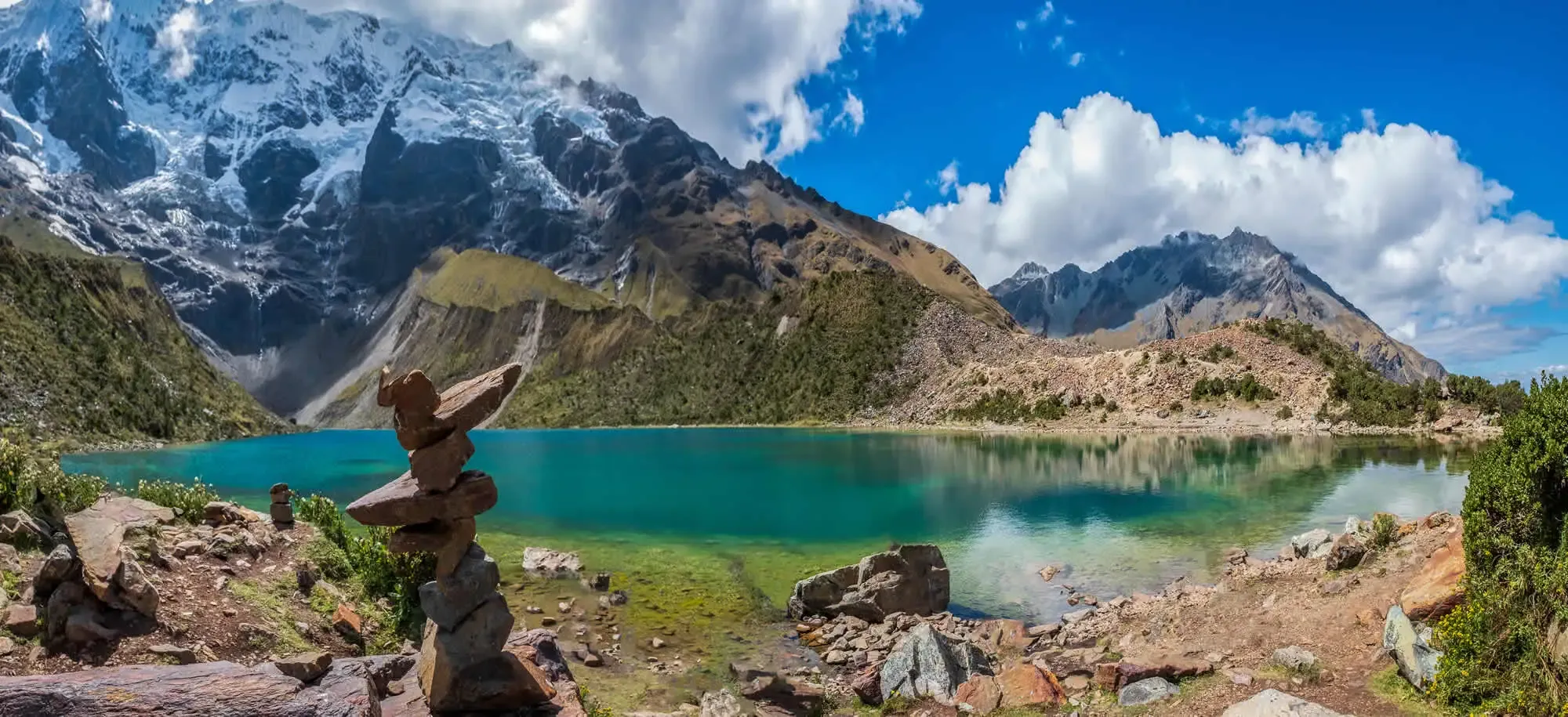
High in the Peruvian Andes, cradled between snow-capped peaks at 4,200 meters above sea level, Humantay Lake captivates visitors with its impossibly turquoise waters and dramatic mountain backdrop. This glacial lake has rapidly emerged as one of Peru’s most photographed natural wonders, drawing travelers seeking pristine alpine beauty and challenging high-altitude adventure. Understanding what makes Humantay Lake special, how to visit responsibly, and what the journey entails helps you prepare for this breathtaking but demanding experience in the Cusco region.
Discovering Humantay Lake
Humantay Lake formed from glacial meltwater flowing from the Humantay and Salkantay mountains, two prominent peaks in the Vilcabamba mountain range. The lake’s striking turquoise color results from glacial sediment, or rock flour, suspended in the water. These fine particles created by glacial grinding reflect light in specific wavelengths, producing the vivid blue-green hues that make the lake so photogenic.
The lake sits at the base of Mount Humantay (5,473 meters) and near the more famous Salkantay Mountain (6,271 meters), Peru’s second-highest peak. These towering glaciated peaks create a stunning amphitheater around the lake, with seasonal snow cover enhancing the dramatic contrast between white peaks, turquoise water, and the deep blue Andean sky.
Humantay Lake remained relatively unknown to tourists until recent years. The growth of social media and increased accessibility transformed this remote alpine lake into a must-see destination for travelers in the Cusco region. While this popularity brings economic benefits to local communities, it also creates environmental and cultural pressures requiring responsible tourism practices.
The Journey to Humantay Lake
Visiting Humantay Lake typically involves a day trip from Cusco, though some travelers incorporate it into multi-day treks. The journey requires early morning departures, significant travel time, and strenuous hiking at challenging altitudes.
Getting There
Tours depart Cusco around 4 or 5 AM, collecting participants from hotels before beginning the three-hour drive to Soraypampa, the trailhead. The route heads northwest through the Sacred Valley, passing small Andean villages and climbing steadily into increasingly remote mountain terrain.
The drive itself offers scenic rewards, with views of agricultural valleys, traditional communities, and snow-capped peaks gradually dominating the landscape. Most tours include brief breakfast stops in the town of Mollepata, where local restaurants serve simple meals of bread, eggs, jam, and coca tea.
From Mollepata, the road continues another hour on increasingly rough surfaces to Soraypampa at 3,900 meters elevation. This small settlement consists primarily of basic lodges and camping facilities serving trekkers on the Salkantay Trail to Machu Picchu.
The Hike
The trek from Soraypampa to Humantay Lake covers approximately 2 kilometers but climbs 300 vertical meters, reaching the lake at 4,200 meters. This short distance proves deceptively challenging due to the steep gradient, high altitude, and often muddy trail conditions.
The hike typically takes 1.5 to 2 hours ascending and 45 minutes to 1 hour descending, though times vary dramatically based on individual fitness and acclimatization. The thin air at this elevation means even fit individuals struggle with shortness of breath and need frequent rest breaks.
The trail begins relatively gently through grasslands before steepening considerably. Switchbacks zigzag up the mountainside, with each turn revealing expanding views across the valley toward Salkantay Mountain. The path can be muddy and slippery, especially during or after rain, requiring careful footing.
As you climb, vegetation becomes increasingly sparse until you reach the bare rocky terrain surrounding the lake. The final approach involves scrambling over boulders before the lake suddenly appears, its brilliant turquoise waters creating a striking contrast against the surrounding brown and gray mountainside.
At the Lake
Most tours allow 30 to 45 minutes at Humantay Lake, though some provide up to an hour for those who want extended photography time or quiet contemplation. The lakeshore offers various vantage points for photographs, though the most popular spot features a viewpoint slightly above the water providing the classic panoramic perspective.
The lake temperature hovers just above freezing year-round, fed by glacial meltwater. A few brave souls attempt swimming, though the extreme cold makes this a brief, shocking experience rather than leisurely bathing.
Local traditions involve building small stone cairns called apachetas as offerings to the Apus (mountain spirits) that Andean peoples believe inhabit sacred peaks. While these ceremonies hold genuine spiritual significance for local communities, tourist participation has become somewhat commercialized, with guides sometimes pressuring visitors to leave offerings.
The lake’s popularity means you won’t experience solitude, especially during peak season. Dozens or even hundreds of visitors may be present simultaneously, particularly between 9 AM and noon when most tours arrive. Early morning or late afternoon visits encounter fewer crowds, though these require private tour arrangements rather than standard group tours.
Physical Demands and Altitude Considerations
The Humantay Lake hike presents serious physical and physiological challenges that unprepared visitors underestimate.
Altitude Impact
At 4,200 meters, Humantay Lake sits well above the elevation where altitude sickness symptoms commonly appear. The trailhead at 3,900 meters already exceeds the altitude of many Colorado ski resorts, and you climb from there.
Reduced oxygen at this elevation affects everyone, regardless of sea-level fitness. Your heart and lungs work significantly harder, breathing becomes labored, and physical exertion that would be easy at lower elevations becomes exhausting. Headaches, nausea, dizziness, and fatigue are common symptoms.
Proper acclimatization proves essential for enjoyable experiences. Spend at least two full days in Cusco (3,400 meters) before attempting Humantay Lake. This allows your body to begin producing additional red blood cells and adjusting to reduced oxygen. Visiting lower Sacred Valley sites before attempting higher altitude excursions helps gradual adaptation.
Hydration significantly impacts altitude tolerance. Drink water consistently before, during, and after the hike. Dehydration exacerbates altitude symptoms and reduces physical performance.
Some travelers take Diamox (acetazolamide), a medication that aids acclimatization, though this requires medical consultation before travel. Coca tea and coca leaves, traditional Andean remedies, are consumed by locals and tourists alike, though scientific evidence of their effectiveness remains limited.
Physical Fitness Requirements
While the hike covers a short distance, the steep gradient and high altitude demand reasonable cardiovascular fitness. If you can comfortably walk uphill for 30 minutes at sea level with moderate exertion, you can likely complete the hike, though it will challenge you.
Those with heart conditions, respiratory issues, or recent surgeries should consult doctors before attempting high-altitude trekking. The combination of physical exertion and reduced oxygen creates significant cardiovascular stress.
Horse Option
Tour operators offer horse rentals for those unable or unwilling to hike. Horses carry riders most of the way up, though some sections are too steep or narrow for riding, requiring brief walking segments. This option costs approximately $15 to $25 additional.
While horses provide accessibility for those with fitness or health limitations, the animals often appear overworked and underfed. Ethical concerns about animal welfare should factor into decisions about using horse services.
When to Visit Humantay Lake
Seasonal Variations
Peru’s dry season from May through September provides the most reliable weather for Humantay Lake visits. Clear skies, minimal rainfall, and excellent visibility characterize these months. June, July, and August see peak tourist numbers with the best weather but also the most crowded trails and higher tour prices.
The shoulder months of April and October offer reasonable weather with fewer crowds and slightly lower costs. Morning visits often enjoy clear conditions before afternoon clouds develop.
The rainy season from November through March brings frequent precipitation, muddy trail conditions, and obscured mountain views. January and February receive the heaviest rainfall, making trails slippery and dangerous while clouds often hide the surrounding peaks. However, this period sees dramatically fewer tourists, lower prices, and lush green landscapes when weather permits.
Interestingly, the lake’s turquoise color appears most vivid during and shortly after the rainy season when glacial meltwater increases, carrying more suspended sediment that creates the distinctive hue.
Time of Day
Most tours visit mid-morning between 9 AM and noon, creating peak crowding during these hours. Private tours can arrange earlier or later visits for those seeking fewer crowds and different lighting conditions.
Early morning visits around sunrise offer the best chance for calm water creating mirror reflections of surrounding peaks, though this requires very early Cusco departures around 3 AM.
Tour Options and Costs
Group Day Tours
Standard group tours represent the most economical option, costing approximately $30 to $50 per person from Cusco. These tours typically include:
-
Round-trip transportation from Cusco hotels
-
English or Spanish-speaking guide
-
Breakfast stop
-
Entrance fees
-
Basic lunch after returning from the hike
Groups range from 10 to 20 participants traveling together in minibuses or larger coaches. The fixed schedule means waiting for slower hikers and adhering to predetermined lake visit durations.
Private Tours
Private tours cost $120 to $200 for couples or more for larger groups, offering flexible scheduling, personalized attention, and the ability to adjust pace and timing. Private arrangements allow earlier departures to beat crowds or later starts for those preferring less rushed mornings.
Multi-Day Trek Integration
Some travelers visit Humantay Lake as part of the Salkantay Trek to Machu Picchu. This five-day trekking route passes through Soraypampa, incorporating Humantay Lake as a side excursion on the first day. This approach spreads altitude acclimatization over multiple days while combining the lake with a comprehensive Andean trekking experience.
What to Bring
Essential Gear
Layer your clothing to adapt to changing temperatures and exertion levels. Mornings start cold, often below freezing, but the climb generates body heat and midday sun can feel warm despite the altitude. Bring thermal base layers, insulating mid-layers, and windproof outer shells.
Quality hiking boots with ankle support and good traction prove essential on the steep, potentially muddy trail. Break in boots before the trip to avoid blisters.
Sun protection including high-SPF sunscreen, sunglasses, and wide-brimmed hats prevents severe sunburn. UV radiation intensifies at high altitude, and reflection off snow and water increases exposure.
Bring more water than you think necessary. At minimum, carry 1.5 to 2 liters per person. The combination of altitude, physical exertion, and dry air increases fluid needs dramatically.
Trekking poles significantly reduce knee strain during descent and provide stability on slippery sections. Most tour companies provide basic poles upon request.
Snacks providing quick energy like nuts, dried fruit, chocolate, or energy bars help maintain energy levels during the strenuous climb.
Camera Equipment
The stunning scenery demands cameras or smartphones with adequate battery life and storage capacity. Cold temperatures drain batteries faster, so carry spares in warm pockets. Wide-angle lenses capture the lake and surrounding peaks in single frames.
Environmental and Cultural Responsibility
Humantay Lake’s rapid tourism growth creates environmental pressures threatening the very beauty that attracts visitors.
Leave No Trace
Carry out all trash, food wrappers, and waste. Toilet facilities at Soraypampa should be used before hiking, as none exist at the lake. If emergencies occur, pack out toilet paper rather than leaving it on the landscape.
Stay on established trails to prevent erosion. Cutting switchbacks or creating new paths damages fragile alpine vegetation and accelerates soil degradation.
Respect Sacred Significance
The lake and surrounding mountains hold spiritual importance for local Andean communities. Apacheta stone cairns and offerings represent genuine religious practices, not merely photo opportunities. Participate respectfully in ceremonies if invited by guides, but understand these rituals carry meaning beyond tourist entertainment.
Support Responsible Operators
Choose tour companies demonstrating environmental stewardship and fair treatment of local staff and communities. The cheapest tours often achieve low prices through poor labor practices and inadequate environmental practices.
Combining Humantay with Other Experiences
Rainbow Mountain Comparison
Travelers often compare Humantay Lake with Vinicunca Rainbow Mountain, another popular high-altitude day trip from Cusco. Rainbow Mountain reaches higher elevation at 5,200 meters, making it more challenging, though both demand good acclimatization.
Humantay offers more dramatic mountain scenery and the stunning turquoise lake, while Rainbow Mountain features unique geological striping. Both suffer from increasing tourist crowds. Some travelers visit both destinations on separate days, while others choose one based on weather forecasts, fitness levels, or specific interests.
Sacred Valley Integration
Efficient itineraries combine Humantay Lake with Sacred Valley exploration. Visit the lake early in your Cusco stay after initial acclimatization days, then explore lower-elevation Sacred Valley sites like Ollantaytambo, Pisac, and Moray before ascending to Cusco again for Machu Picchu preparations.
Conclusion: Frequently Asked Questions
How difficult is the Humantay Lake hike?
The hike is challenging primarily due to altitude rather than distance or technical difficulty. The steep 300-meter climb over 2 kilometers taxes cardiovascular systems operating on reduced oxygen. Most reasonably fit individuals with proper acclimatization can complete it, though expect labored breathing and frequent rest breaks. Those with significant fitness limitations should consider horse options or alternative lower-altitude excursions.
Is Humantay Lake worth visiting?
For travelers seeking stunning natural scenery and able to handle high-altitude hiking, Humantay Lake delivers exceptional beauty and rewarding adventure. The turquoise waters against snow-capped peaks create unforgettable scenes. However, increasing crowds diminish the pristine wilderness experience some expect. Adjust expectations to appreciate natural beauty while accepting tourist infrastructure and fellow visitors.
Can I visit Humantay Lake independently without a tour?
Independent visits are possible but complicated. Public transportation to Soraypampa is limited and unreliable. You’d need to arrange private taxis to Mollepata then negotiate local transport to the trailhead, likely costing more than group tours while requiring significant time, language skills, and flexibility. Most travelers find organized tours more practical and cost-effective.
What is the best time of year to visit?
June through August offer the most reliable weather with clear skies and minimal rain, though these months see maximum crowds. April, May, September, and October provide good weather with fewer tourists. The rainy season from November through March risks obscured views and muddy conditions but offers vibrant colors and solitude for those accepting weather uncertainty.
How much time should I spend at the lake?
Most tours allow 30 to 45 minutes at the lake, sufficient for photography, rest, and taking in the scenery. Private tours can extend this to an hour or more for those wanting quiet contemplation or extensive photo sessions. Given the strenuous hike required to reach the lake, most visitors feel satisfied with 30 to 45 minutes before descending.
Is altitude sickness a serious concern?
Yes. At 4,200 meters, Humantay Lake sits at an elevation where most people experience some altitude effects. Proper acclimatization through at least two days in Cusco before the hike reduces risks significantly. Stay hydrated, ascend slowly, and be honest about symptoms. If severe headaches, persistent nausea, or dizziness develop, descend immediately as these can signal dangerous altitude sickness requiring medical attention.
