
Introduction
Marrakech to Sahara Desert tours offer an unforgettable way to explore Morocco beyond its vibrant souks, historic palaces, and lively city squares. This journey takes travelers from the bustling streets of Marrakech into the dramatic landscapes of the High Atlas Mountains, through traditional villages and historic kasbahs, and toward the vast desert regions of southeastern Morocco.
The experience is not simply about reaching the Sahara. The journey itself reveals a remarkable variety of scenery, including winding mountain roads, palm-filled valleys, ancient settlements, and golden sand dunes. Along the way, travelers can discover local traditions, enjoy authentic Moroccan cuisine, and experience the peaceful atmosphere of the desert.
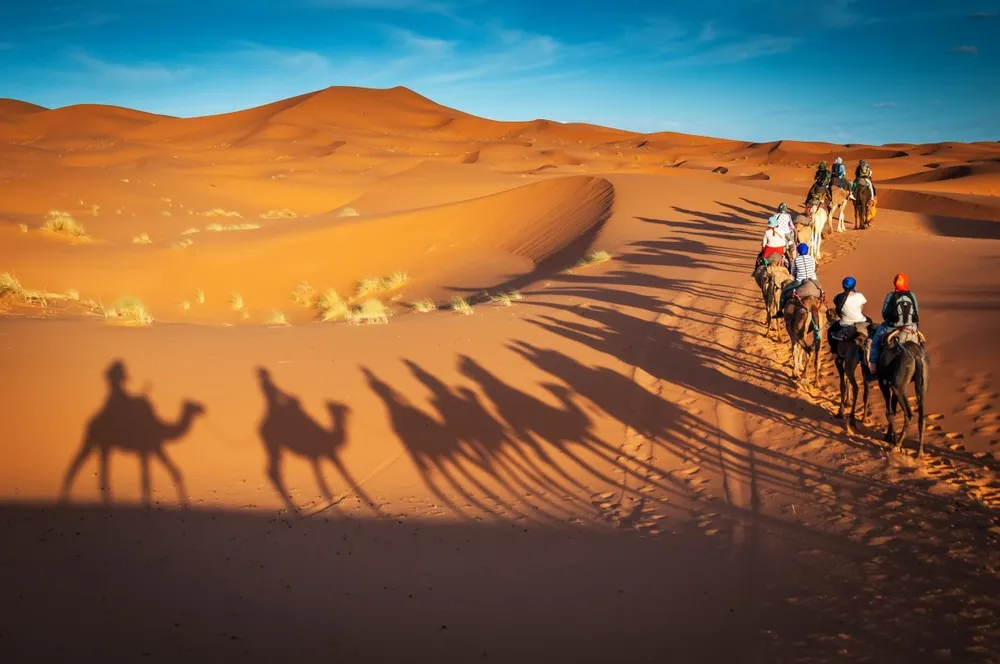
Whether you prefer a short desert adventure or a multi-day expedition with an overnight camp, choosing the right itinerary can make your Moroccan holiday more memorable.
Why Choose a Marrakech to Sahara Desert Tour?
Starting in Marrakech makes it possible to combine Morocco’s famous cultural attractions with an adventure into its southern landscapes. After exploring the city’s historic medina and traditional markets, travelers can head toward the mountains and gradually discover a very different environment.
A guided desert tour can simplify transportation, route planning, accommodation, and activity arrangements. Depending on the package, visitors may travel in a private vehicle or shared minibus, stop at important cultural sites, and continue toward their chosen desert destination.
These tours also provide opportunities to experience Morocco’s regional diversity. Mountain communities, oasis settlements, and desert towns each have distinctive traditions and landscapes.
The ideal tour depends on your available time. Travelers who want to see the large dunes of the Sahara should allow several days, while those with limited schedules may prefer a shorter excursion to the Agafay Desert near Marrakech.
Cross the High Atlas Mountains
One of the most memorable parts of the journey is crossing the High Atlas Mountains. The road climbs through rugged terrain, offering panoramic views of mountain ridges, valleys, and scattered villages.
The Tizi n’Tichka mountain pass is a well-known route connecting Marrakech with southern Morocco. Along the way, travelers may stop at scenic viewpoints, small roadside markets, and traditional settlements.
The changing landscape makes this part of the trip especially appealing to photographers and nature lovers. Green valleys gradually give way to drier terrain as the route continues south.
Travelers should expect winding roads and several hours of driving. Choosing a tour with planned stops and a comfortable vehicle can make the journey more enjoyable.
Explore Aït Benhaddou and Ouarzazate
Aït Benhaddou is one of the most recognizable historic sites along many routes from Marrakech toward the desert. This fortified settlement features traditional earthen architecture, narrow passageways, and buildings that rise above the surrounding landscape.
Its historic significance and distinctive appearance make it a popular stop for travelers interested in Moroccan architecture, history, and photography.
Further along the route, Ouarzazate is often described as a gateway to the southern desert regions. The city is associated with historic kasbahs, desert landscapes, and Morocco’s film industry.
Depending on the itinerary, travelers may visit a kasbah, explore local markets, or stop at viewpoints before continuing toward the desert. These stops add cultural interest to what would otherwise be a long road journey.
Choose Between Merzouga and Zagora
Two popular destinations for Marrakech-to-desert tours are Merzouga and Zagora. Although both provide access to desert landscapes, they offer different experiences.
Merzouga and the Erg Chebbi Dunes
Merzouga is famous for the impressive sand dunes of Erg Chebbi. This destination is ideal for travelers dreaming of expansive golden dunes, camel rides, sunset photography, and an overnight stay in a Sahara desert camp.
Many tours include stops along the route, followed by a camel excursion or another transfer to the camp. Guests may enjoy dinner, local music, and stargazing before spending the night in a traditional or more comfortable tent.
Merzouga generally requires a longer itinerary from Marrakech because of the distance involved. A three- or four-day trip often allows a more balanced experience than trying to cover the journey too quickly.
Zagora and the Draa Valley
Zagora offers a different perspective on southern Morocco, with access to desert landscapes, palm groves, and the scenic Draa Valley.
The route from Marrakech often includes the High Atlas Mountains and Aït Benhaddou before continuing through the southern countryside. Travelers can explore traditional settlements and learn about the region’s historic connections to caravan routes.
Zagora can suit visitors with less time available than a Merzouga trip. However, the dune landscapes differ from the large sand formations associated with Erg Chebbi, so travelers should check the exact destination included in their tour.
Experience a Camel Ride and Overnight Desert Camp
For many travelers, spending a night in the desert is the highlight of a Marrakech-to-Sahara journey. A camel ride across the dunes provides a slower way to appreciate the surrounding scenery, especially when the sun begins to set.
Camel excursions vary in duration and may be included in the package or offered as an optional activity. Some travelers may prefer walking or using an arranged vehicle transfer instead.
After reaching the camp, visitors can relax, enjoy a Moroccan dinner, and experience the quiet atmosphere of the desert. Depending on the camp, evening entertainment may include traditional music or storytelling.
The desert sky can be particularly impressive on clear nights with limited moonlight. Temperatures can fall considerably after sunset, so warm clothing is useful even when daytime weather is hot.
Before booking, confirm the camp’s location, facilities, bathroom arrangements, transport method, and included activities.
Best Time for Marrakech to Sahara Desert Tours
Spring and autumn are often popular seasons for desert travel because daytime temperatures are generally more comfortable than during the hottest summer months.
March through May and September through November can be suitable for exploring the southern regions, although weather varies from year to year.
Summer can bring intense heat, particularly in exposed desert areas. Travelers should choose operators that plan activities appropriately, provide clear guidance about water and sun protection, and avoid strenuous excursions during extreme heat.
Winter may offer pleasant daytime conditions, but desert nights can become very cold. Warm layers are important for overnight camping.
Checking the forecast and confirming seasonal arrangements with the tour provider helps travelers prepare for changing conditions.
How to Prepare for Your Desert Journey
A little preparation can make a multi-day desert tour much more comfortable. Pack lightweight clothing for daytime, warm layers for evenings, comfortable walking shoes, sunglasses, sunscreen, and a hat.
Carry personal medication, a reusable water bottle, and a small day bag for essentials during excursions. If you are staying overnight in a desert camp, ask whether you need to bring towels or other personal items.
Long road journeys can be tiring, so choose an itinerary that allows enough time for rest and sightseeing. Travelers who prefer a relaxed pace may benefit from a private tour or a longer itinerary with fewer daily driving hours.
Before departure, confirm pickup arrangements, accommodation standards, meals, luggage limits, optional activities, and any extra charges. Clear communication helps prevent unexpected costs and ensures that the tour matches your expectations.
Responsible Travel in Morocco’s Desert Regions
Responsible tourism helps protect desert environments and supports the communities that welcome visitors. Travelers should take their rubbish with them, avoid disturbing wildlife, and follow local guidance when visiting villages or protected areas.
Choosing locally owned accommodation, hiring local guides, and purchasing regional products can help tourism contribute to local livelihoods.
Visitors should also respect cultural customs, ask permission before photographing residents, and use water thoughtfully in arid regions.
When booking camel rides or other animal-based activities, look for operators that prioritize animal welfare and provide appropriate care and rest.
Conclusion
Marrakech to Sahara Desert tours offer a remarkable combination of scenic road travel, cultural discovery, and outdoor adventure. From the dramatic High Atlas Mountains and historic Aït Benhaddou to the dunes of Merzouga and the palm-filled Draa Valley, the journey reveals the diversity of Morocco’s southern landscapes.
Choosing the right destination and allowing enough time are essential for a rewarding experience. Whether you prefer the expansive dunes of the Sahara, an overnight desert camp, or a shorter journey toward Zagora, thoughtful planning can turn your trip into a memorable Moroccan adventure.
Key Takeaways
-
Marrakech is a popular starting point for journeys into Morocco’s southern desert regions.
-
The route can include the High Atlas Mountains, Tizi n’Tichka Pass, Aït Benhaddou, and Ouarzazate.
-
Merzouga is known for the large Erg Chebbi dunes and classic Sahara desert camp experiences.
-
Zagora and the Draa Valley offer a different desert journey with palm groves and traditional settlements.
-
A three- or four-day itinerary is generally more suitable for reaching Merzouga from Marrakech.
-
Camel rides, desert camping, sunset views, and stargazing are popular activities.
-
Spring and autumn are often comfortable seasons, while summer heat and winter nights require preparation.
-
Always confirm transportation, accommodation, activities, and package inclusions before booking.
Frequently Asked Questions (FAQs)
1. How long does a tour from Marrakech to the Sahara take?
A trip to Merzouga commonly requires three or four days for a more balanced experience. Zagora tours may be arranged over two days, depending on the itinerary.
2. Which Sahara destination is better: Merzouga or Zagora?
Merzouga is a popular choice for travelers who want to see the large Erg Chebbi dunes. Zagora is often more suitable for travelers with less time and offers a different landscape through the Draa Valley.
3. Can I visit the Sahara from Marrakech in one day?
A practical day trip from Marrakech cannot provide a meaningful visit to the major Sahara dunes at Merzouga. The nearby Agafay region is a convenient option for a shorter desert-style experience, but it is mainly rocky terrain rather than a sea of Sahara sand dunes.
4. Are overnight desert camps included in tours?
Many multi-day tours include one or more camp nights, but accommodation varies. Check whether your package includes a private tent, bathroom facilities, meals, and transport to the camp.
5. What should I pack for a Sahara desert tour?
Bring comfortable clothing, closed shoes, sun protection, a warm jacket for the evening, personal medication, and a small bag for overnight essentials.
6. Is a Marrakech-to-Sahara tour suitable for families?
Many tours welcome families, but long driving hours and temperature changes should be considered. Choose a family-appropriate itinerary and confirm accommodation and activity requirements in advance.
7. What is the best time to take a Sahara desert tour?
Spring and autumn are often popular choices. Summer can be extremely hot, while winter nights may be very cold, particularly in desert camps.
8. Can I book a private Marrakech-to-Sahara tour?
Yes. Private tours may offer greater flexibility over stops, departure times, accommodation, and the overall pace of the journey. Compare inclusions and costs before booking.
Final Thoughts
A journey from Marrakech to the Sahara is an opportunity to experience Morocco through its landscapes, history, and local traditions. The changing scenery along the route is part of the adventure, while the desert offers moments of calm that are difficult to find in busy cities. With a suitable itinerary, reliable transportation, and respect for local communities, this journey can become one of the most memorable experiences of a visit to Morocco.
