
Some trips are about ticking off sights. Others are about sitting beside someone you love, wrapped in a blanket, watching green light ripple across a silent sky. If your idea of a perfect getaway leans toward the second kind, a Romantic Weekend Gateway Aurora Viewing Program Yukon (3 days) could be exactly what you are looking for.
This guide explains what a three-day couple’s program usually includes, when to travel, how to plan the days, and what to pack so you stay warm and relaxed from start to finish.
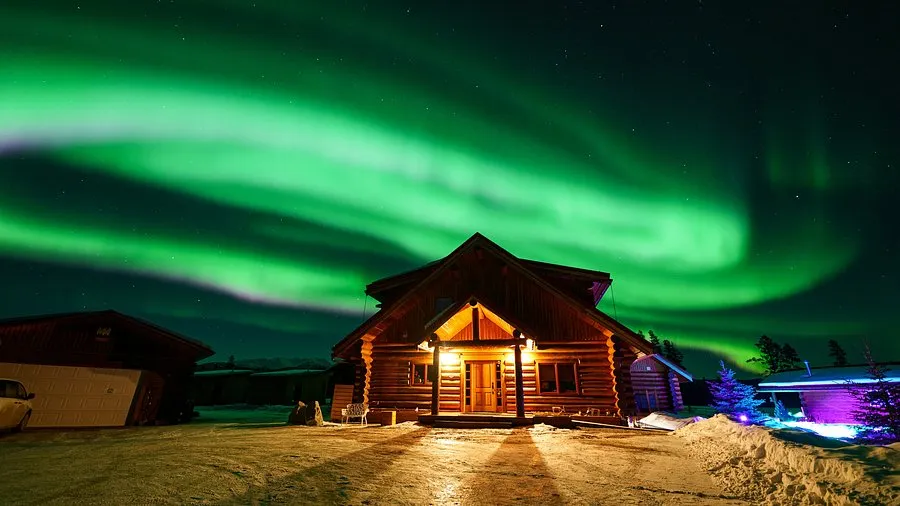
Why the Yukon Works So Well for Couples
The Yukon sits under the auroral oval, where northern lights appear more often than in most parts of the world. Add dark skies, crisp air, and a wilderness that feels wonderfully private, and you have the ingredients for a very romantic escape.
Whitehorse, the territory’s capital, makes everything easy. It has an airport, comfortable hotels and lodges, good restaurants, and several dark-sky viewing spots within a short drive. You do not have to spend a whole week traveling to feel like you have gone somewhere far away.
There is also something special about the pace. Days are quiet, evenings are slow, and the cold gives you a perfect excuse to stay close.
What Is a Romantic Weekend Aurora Program?
A Romantic Weekend Gateway Aurora Viewing Program Yukon (3 days) is a short, curated package built around northern lights nights, with cozy daytime activities and relaxing extras that suit two people. Instead of arranging transport, tours, and reservations separately, you follow a plan that takes care of the details.
Most programs include:
-
Accommodation in a boutique hotel, lodge, or private cabin
-
Two or three evenings of guided aurora viewing
-
Heated shelters, tipis, or cabins with hot drinks
-
A daytime adventure such as dog sledding or snowshoeing
-
Optional extras, such as hot springs, a candlelit dinner, or a photo session
The goal is simple: more time together, fewer logistics.
A Sample Three-Day Itinerary
Every operator has its own style, but this rhythm is common and works beautifully for couples.
Day 1: Arrival and first aurora night. Arrive in Whitehorse, check in, and take it easy. Enjoy a relaxed dinner in town, then meet your guide in the evening. A short drive takes you to a dark viewing location where you can warm up with hot chocolate while scanning the sky. If clouds interfere, the guide often moves you to a clearer area.
Day 2: Slow morning, wilderness afternoon, second aurora night. Sleep in and have a long breakfast. In the afternoon, try dog sledding, snowshoeing, or a gentle winter walk through quiet forest. Many couples love the dog sledding experience because it is playful, memorable, and wonderfully photogenic. Later, soak in a hot spring pool under the stars if your program includes it, then head out for another night of northern lights viewing.
Day 3: A calm farewell. Have a final breakfast, stroll along the Yukon River, visit a small cafe or gallery, and pick up a keepsake. Depending on your flight, you may have time for one last coffee together before heading home.
Schedules sometimes shift according to weather and aurora forecasts, which is another reason to choose an operator who values flexibility.
Romantic Touches Worth Adding
The best programs leave room for small gestures that make the weekend feel personal.
A private cabin. Some lodges offer wood-heated cabins with big windows, so you can check the sky without leaving your blanket.
A candlelit dinner. A quiet meal featuring local flavors, such as fish, game, or hearty seasonal produce, is a lovely way to start a night.
A hot spring soak. Floating in warm water while snowflakes drift down is the sort of memory that sticks.
A private aurora session. Some operators offer small or private groups, which gives you extra privacy and more freedom to linger.
A professional photo. A guide or photographer can help capture you both beneath the lights, which makes a wonderful keepsake.
The Best Time to Go
Aurora season in the Yukon generally runs from late August to mid-April. Each period offers a different mood.
Late August to September. Milder nights and open water that can reflect the lights. This is the gentlest option for couples who dislike extreme cold.
October and November. Autumn fades into early winter, with growing darkness and fewer crowds.
December to February. The deepest winter. Nights are long and the air is very cold, but the snowy setting feels magical and cozy.
March to mid-April. Clearer skies, slightly warmer temperatures, and strong aurora activity around the equinox. Many couples consider this the best balance of comfort and beauty.
If you can choose your dates, aim for a new moon or thin crescent. A bright full moon can wash out fainter displays.
What to Expect From the Northern Lights
Honesty matters here. The aurora is a natural event, and no program can promise it. Cloud cover and solar activity control the show. What a good program can do is increase your odds by giving you several nights, flexible timing, and a guide who knows where to find clear skies.
To the naked eye, the lights often look like a pale green glow that shifts and pulses. During stronger displays, you might see pink or purple edges. Cameras capture more color than your eyes do, so photos usually look more vivid than real life. Even so, watching the sky move together, in silence, is something many couples remember long after the trip.
That is also why three days is worth considering over a single night. Two or three viewing opportunities greatly improve your chances.
What to Wear and Bring
Standing still at night is far colder than walking around by day. Dress for comfort, not style.
-
Insulated, waterproof boots rated for low temperatures
-
Thermal base layers made of wool or synthetic fabric
-
A fleece mid-layer and a heavy winter parka
-
Insulated pants, a warm hat, a neck gaiter, and mittens
-
Hand and toe warmers
-
A spare camera battery kept in an inner pocket
-
Lip balm and moisturizer, because the air is dry
Many operators lend winter gear, so check before you pack. If you want to look nice for a dinner, bring one cozy outfit and leave the rest at home.
How to Choose the Right Program
Compare a few details before you book:
-
Group size. Smaller groups feel more intimate.
-
Number of viewing nights. More nights mean better chances.
-
Warm facilities. A heated shelter changes the whole experience.
-
Rebooking policy. Ask what happens if the sky is cloudy.
-
Flexibility. Programs that adjust to weather are worth choosing.
-
Guide experience. Local knowledge makes a real difference.
Frequently Asked Questions
Is three days enough to see the aurora?
It gives you a decent chance, especially in peak months. It is not a guarantee, but multiple nights help.
Do we need winter gear experience?
No. Guides explain everything, and many programs provide clothing.
Is it suitable for honeymoons or anniversaries?
Yes. Many couples choose it for special occasions because it is quiet, scenic, and memorable.
Do we need to rent a car?
Not usually. Most programs include pickup and transport.
Final Thoughts
A Romantic Weekend Gateway Aurora Viewing Program Yukon (3 days) is a gentle, beautiful way to reconnect. You trade screens for stars, schedules for slow mornings, and noise for the soft crunch of snow. Pick a well-run program, dress warmly, stay open to whatever the sky decides, and enjoy the company beside you. Sometimes the best part of the night is not the lights at all.
