
Morocco is a fascinating destination where centuries of history, traditional architecture, and vibrant culture come together. Among its most remarkable attractions are the Imperial Cities in Morocco, four historic destinations that once served as capitals of different Moroccan dynasties. Marrakech, Fes, Meknes, and Rabat each offer a unique experience, allowing visitors to discover the country’s royal heritage, impressive monuments, traditional markets, and beautiful architecture.
Exploring these historic cities is an excellent way to understand Morocco’s past while enjoying its modern hospitality. Whether you are interested in history, architecture, photography, or local traditions, the imperial cities provide unforgettable experiences for every traveler.
1. Marrakech: The Red City of Morocco
<escape>Marrakech</escape> is one of Morocco’s most famous destinations and an essential stop on any imperial cities tour. Founded in 1070 by the Almoravid dynasty, the city has played an important role in Moroccan history for centuries.
The city is often called the Red City because of the distinctive reddish color of many of its historic buildings and walls. Its lively atmosphere, traditional souks, beautiful gardens, and impressive palaces attract visitors from around the world.
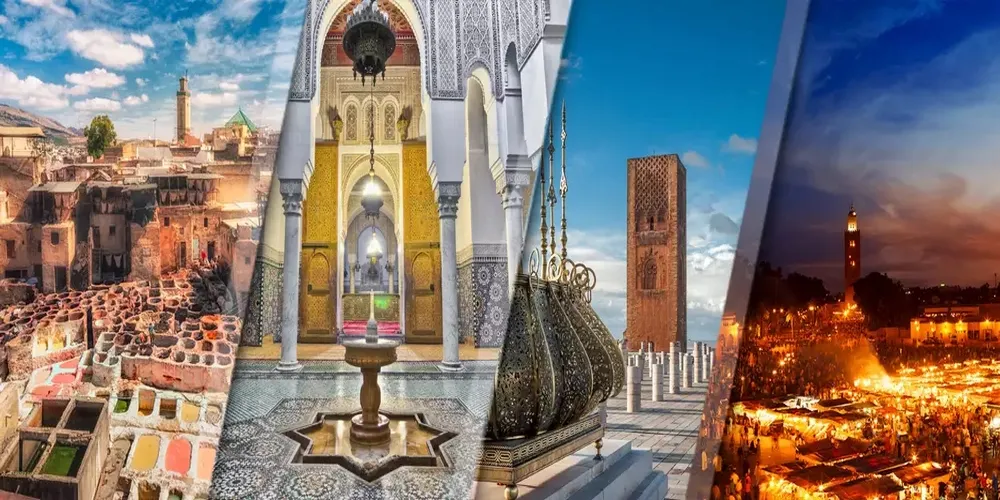
One of the most popular attractions is Jemaa el-Fnaa, the famous main square in the heart of the medina. During the day, visitors can explore food stalls and traditional shops, while evenings bring a lively atmosphere filled with local entertainment and Moroccan street food.
Other important attractions include Bahia Palace, Koutoubia Mosque, Saadian Tombs, and Majorelle Garden. Visitors can also explore the narrow streets of the old medina, where traditional crafts, colorful textiles, and handmade products are available.
Marrakech is an excellent starting point for exploring Morocco because it also offers access to the Atlas Mountains, Agafay Desert, and several beautiful countryside destinations.
2. Fes: Discover Morocco’s Historic Cultural Capital
Fes is one of the oldest and most historically important cities in Morocco. It is especially famous for its traditional architecture, religious heritage, and long-standing role as a center of education and craftsmanship.
The city was founded in the late eighth century and became an important political and cultural center under several Moroccan dynasties.
Fes el-Bali, the historic old medina, is one of the city’s most fascinating attractions. Its narrow streets, traditional houses, small markets, and historic buildings create an atmosphere that feels connected to another time.
One of the most famous landmarks is Al Quaraouiyine, a historic institution traditionally associated with scholarship and religious learning. Visitors can also explore Bou Inania Madrasa, the Nejjarine Museum of Wooden Arts and Crafts, and the famous Chouara Tannery.
Fes is also known for its traditional pottery, leather goods, and handmade crafts. Exploring its workshops and local markets offers an opportunity to discover the skills that have been passed down through generations.
For travelers interested in Moroccan history and traditional culture, Fes is an essential destination.
3. Meknes: A City of Royal Architecture
Meknes is another important imperial city, known for its grand gates, historic palaces, and impressive architectural heritage.
The city reached its greatest prominence during the reign of Sultan Moulay Ismail in the seventeenth century. During this period, Meknes became an important royal capital and was transformed with monumental walls, gates, and palace complexes.
Bab Mansour is one of the city’s most recognizable landmarks. Its impressive design and decorative details make it a popular location for photographs.
Visitors can also explore the Mausoleum of Moulay Ismail, Heri es-Souani, and the historic royal stables. These attractions offer insight into the city’s royal past and its importance during the Alaouite dynasty.
Meknes is also a convenient base for visiting Volubilis, an ancient Roman archaeological site located nearby. The ruins feature impressive mosaics, columns, and remains of historic buildings.
Travelers who enjoy history and architecture will find Meknes an interesting addition to their Moroccan itinerary.
4. Rabat: Morocco’s Modern and Historic Capital
Rabat is the current capital of Morocco and combines modern city life with important historical attractions. Located along the Atlantic coast, it offers a more relaxed atmosphere than some of the country’s busier tourist destinations.
The city became an imperial capital during the reign of the Almohad dynasty and later developed into an important political and administrative center.
One of its most famous attractions is the Hassan Tower, an unfinished minaret that dates back to the twelfth century. Nearby, the Mausoleum of Mohammed V is known for its elegant architecture and historical significance.
Visitors can also explore the Kasbah of the Udayas, a beautiful historic neighborhood overlooking the Atlantic Ocean and the Bou Regreg River. Its narrow streets, white-and-blue buildings, and peaceful gardens create a charming setting.
The Chellah archaeological site is another interesting destination, featuring historic Roman and medieval remains surrounded by gardens.
Rabat is an excellent place to experience the connection between Morocco’s royal heritage and its modern identity.
Why Visit the Imperial Cities in Morocco?
Each imperial city tells a different part of Morocco’s history. Marrakech is famous for its lively atmosphere and royal monuments, Fes is celebrated for its cultural heritage, Meknes reflects the ambition of an important royal dynasty, and Rabat combines historic landmarks with modern life.
Traveling between these destinations allows visitors to experience different architectural styles, regional traditions, and local cuisines.
The imperial cities also provide excellent opportunities for shopping. Traditional markets sell carpets, ceramics, leather products, metalwork, spices, and handmade decorations.
Food is another important part of the experience. Visitors can enjoy Moroccan tagines, couscous, pastilla, fresh bread, and traditional mint tea in local restaurants and family-run cafés.
Best Way to Explore Morocco’s Imperial Cities
Travelers can explore the imperial cities through private tours, guided excursions, or independent journeys.
A private tour is a convenient option for visitors who prefer flexible schedules and personalized experiences. A knowledgeable local guide can explain the history of important landmarks and help travelers discover interesting places beyond the main tourist routes.
Group tours can be a more affordable alternative and often include transportation, accommodation, and guided sightseeing.
A journey covering all four imperial cities usually requires several days. Travelers may also combine the cities with destinations such as Chefchaouen, Volubilis, the Sahara Desert, or Casablanca, depending on their available time.
Best Time to Visit the Imperial Cities
Spring and autumn are generally among the best seasons for visiting the imperial cities in Morocco. March, April, May, September, October, and November often offer pleasant temperatures for walking through historic medinas and exploring outdoor attractions.
Summer can be very hot, especially in Marrakech, Fes, and Meknes. Travelers visiting during this period may prefer early morning sightseeing and relaxing during the hottest hours.
Winter can also be a good time to visit, although evenings may be chilly. Packing comfortable walking shoes and clothing suitable for changing temperatures is recommended.
Create Unforgettable Memories in Morocco
The imperial cities in Morocco offer an incredible journey through the country’s history, culture, and architectural heritage. From the lively streets of Marrakech to the historic medina of Fes, the royal monuments of Meknes, and the coastal charm of Rabat, every destination has something unique to discover.
Whether you are planning a cultural holiday, a historical adventure, or a longer journey through Morocco, exploring these four cities is a wonderful way to experience the country’s rich identity.
Take time to discover their monuments, enjoy traditional Moroccan hospitality, and explore the stories behind some of the country’s most remarkable destinations.
