
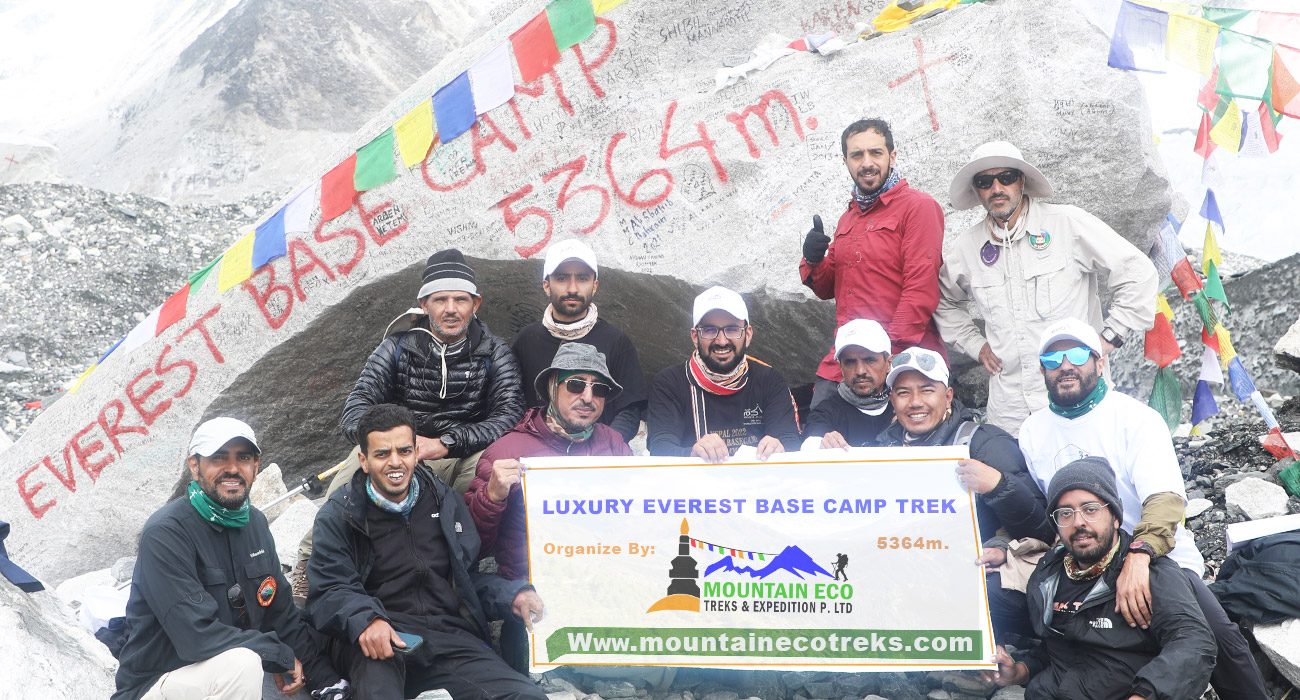
Some journeys are remembered because of where they take you. Others stay with you because of how they make you feel along the way.
An Everest trek can be both.
The Everest Base Camp Luxury Trek gives travelers a chance to explore one of Nepal’s most famous mountain routes while enjoying a more comfortable and organized experience. The trail remains demanding, but better planning can make the days easier to manage and the evenings more enjoyable.
For travelers who want adventure without making comfort an afterthought, this style of trekking can offer a useful middle ground.
Begin With the Right Expectations
An Everest trip is not a luxury vacation in the usual sense.
You are still traveling through a remote mountain region. Walking is a major part of the journey, and facilities become simpler as you move higher.
Understanding this before you leave is important.
Comfort Has Limits in the Mountains
A luxury trekking package can improve accommodation and service where facilities allow.
It cannot change the weather.
It cannot remove steep trails.
It cannot make high altitude feel like sea level.
That is not a weakness. It is simply the reality of traveling in the Himalayas.
The best approach is to enjoy the comforts that are available while respecting the mountain environment.
The Journey Gives You Time to Disconnect
Modern life is filled with constant messages and notifications.
The Everest region offers a natural break from that routine.
Use the Quiet to Your Advantage
You may have limited connectivity during parts of the trek.
Instead of worrying about it, use the opportunity to slow down.
Talk with your travel companions. Read a book. Watch the mountains change in the evening light.
A few days away from constant digital noise can be surprisingly refreshing.
Learn to Appreciate the Details
Most visitors focus on the biggest mountain views.
That makes sense.
But the Everest route also has countless small details worth noticing.
Look at the Trail Around You
Stone walls line parts of the route. Prayer flags move above bridges. Small streams pass beneath the trail. Yaks and other animals may carry supplies through villages.
These details show how people and nature work together in a difficult environment.
You do not need to be a photographer or outdoor expert to appreciate them.
You simply need to pay attention.
Your Trekking Team Can Make a Big Difference
A strong guide does more than lead the way.
They understand the route, local conditions, altitude concerns, and cultural environment.
Ask Questions
Do not hesitate to ask your guide about the trail.
You can ask about tomorrow’s walking distance, weather, villages, mountain peaks, or local traditions.
The more you understand about your surroundings, the more meaningful the trip becomes.
Your guide can also help identify problems before they become serious.
Think About Recovery Before You Need It
Many travelers focus heavily on what happens during the day’s walk.
They think less about what happens afterward.
That is a mistake.
Build Recovery Into Your Day
Once you arrive at your accommodation, give your body time to recover.
Change into dry clothes if necessary. Drink water. Eat a proper meal. Rest your feet.
Light stretching may also feel useful after a long day.
A good night’s rest can make the following morning much easier.
High-Altitude Sun Can Be Strong
Cold weather can make people forget about the sun.
At higher elevations, sunlight can feel intense even when the temperature is low.
Protect Your Skin and Eyes
Bring sunglasses with good UV protection.
Use sunscreen on exposed skin, including your face and neck. Reapply it during the day when needed.
A hat can also provide useful protection.
These are simple steps, but ignoring them can make a long trek much less comfortable.
Hydration Deserves Daily Attention
You lose water while walking even when the air feels cold.
Dry mountain air and physical activity can make regular drinking important.
Do Not Wait Until You Are Very Thirsty
Keep water available during the day.
Drink regularly rather than trying to consume a large amount at once.
Your guide can also advise you about hydration and the conditions along your route.
Expect Your Appetite to Change
At higher elevations, some people notice changes in appetite.
You may not feel like eating as much even though your body needs energy.
Choose Foods You Can Handle
Do not force yourself to eat huge meals.
Smaller, regular meals may feel easier.
Simple foods such as rice, potatoes, noodles, soup, eggs, vegetables, and porridge can provide useful energy without being too heavy.
Carry a few snacks you already know you enjoy.
Keep Your Backpack Under Control
A common mistake is packing for every possible situation.
That usually creates a heavy bag.
Pack Only What Supports the Journey
Before leaving home, take everything out of your bag and ask one question:
Will I actually use this?
If the answer is no, leave it behind.
Essential trekking clothing, personal medicine, water, sun protection, and a few useful items matter far more than extra gadgets or clothing.
Choose Practical Clothing
Fashion is not the priority on the Everest trail.
Comfort, warmth, and protection are.
Use a Layering System
Layering allows you to adapt as conditions change.
A practical setup can include:
- Comfortable base layer
- Warm fleece or mid-layer
- Insulated jacket
- Waterproof shell
- Trekking pants
- Warm socks
- Gloves
- Hat
This is more useful than carrying one extremely thick outfit.
Give Yourself Time at the Important Stops
The Everest region has several places that deserve more than a quick overnight visit.
Namche Bazaar is one example.
It offers a mix of mountain views, local businesses, culture, and a chance to acclimatize.
Explore With Purpose
You do not need to plan a packed sightseeing schedule.
A short walk around town can be enough.
Visit a viewpoint. Learn about the local community. Sit somewhere and watch the trail.
Sometimes doing less allows you to notice more.
What Should You Look for in a Luxury Package?
The word “luxury” can mean different things to different companies.
Do not assume it automatically means five-star conditions everywhere.
Read the Details Before Booking
Check:
- Accommodation standards
- Daily walking schedule
- Acclimatization plan
- Meals
- Guide services
- Porter support
- Transportation
- Permits
- Emergency planning
- What happens if weather causes delays
A clear package description is more useful than a marketing label.
Conclusion
The Everest Base Camp Luxury Trek is not about turning a Himalayan adventure into an easy vacation.
It is about making the experience more comfortable, organized, and enjoyable while keeping the real challenge of the mountains.
You still need preparation. You still need patience. You still need to respect altitude and weather.
But you can also enjoy better rest, thoughtful service, and more time to appreciate the people and landscapes around you.
If Everest has been on your travel list for years, choosing the right trekking style can shape the entire experience. A luxury approach may be the right fit for travelers who want to take on the mountains without treating discomfort as a requirement.
Frequently Asked Questions
Is luxury trekking the same as a regular Everest trek?
The main route and physical challenge can be similar, but a luxury package generally puts greater focus on accommodation, service, organization, and comfort.
Can weather affect a luxury trek?
Yes. Luxury does not protect travelers from mountain weather. Flights, trails, and schedules can still be affected by changing conditions.
Should I bring sunscreen even in cold weather?
Yes. High-altitude sunlight can be strong, so sunscreen and good sunglasses are important throughout the trek.
How can I make my backpack lighter?
Pack only essential clothing, personal items, medicine, water, and trekking equipment. Remove duplicate or rarely used items before leaving home.
What is the most important thing to remember during the trek?
Do not rush. Pay attention to your body, follow your guide’s advice, stay hydrated, eat regularly, and give yourself enough time to adjust to the altitude.
